
Foundational Fiction-Writing Books
And the Order to Read Them
These are the craft books on writing fiction that have most shaped how I think about story—and the order I recommend reading them.
This list is for aspiring writers who want to understand fiction from multiple angles: structure, character, theme, prose, and yes, plot. Plot may not always be the fashionable subject in literary circles, but I like fiction that goes somewhere, and plot is one of the many tools that help get it there.
What follows is the path I’d recommend to anyone serious about becoming a writer.
Before you focus on craft, it’s worth answering a harder question: Do you actually want to do this? These two books beautifully capture the realities of writing life.
The Writing Mindset
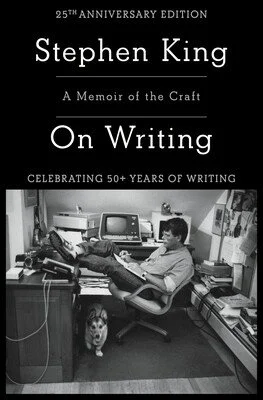
On Writing by Stephen King
Part memoir, part craft book, On Writing is widely considered one of the best books on writing for beginners—not because it teaches structure, but because it teaches honesty about the work. It sets expectations early and makes clear that consistency matters more than inspiration.
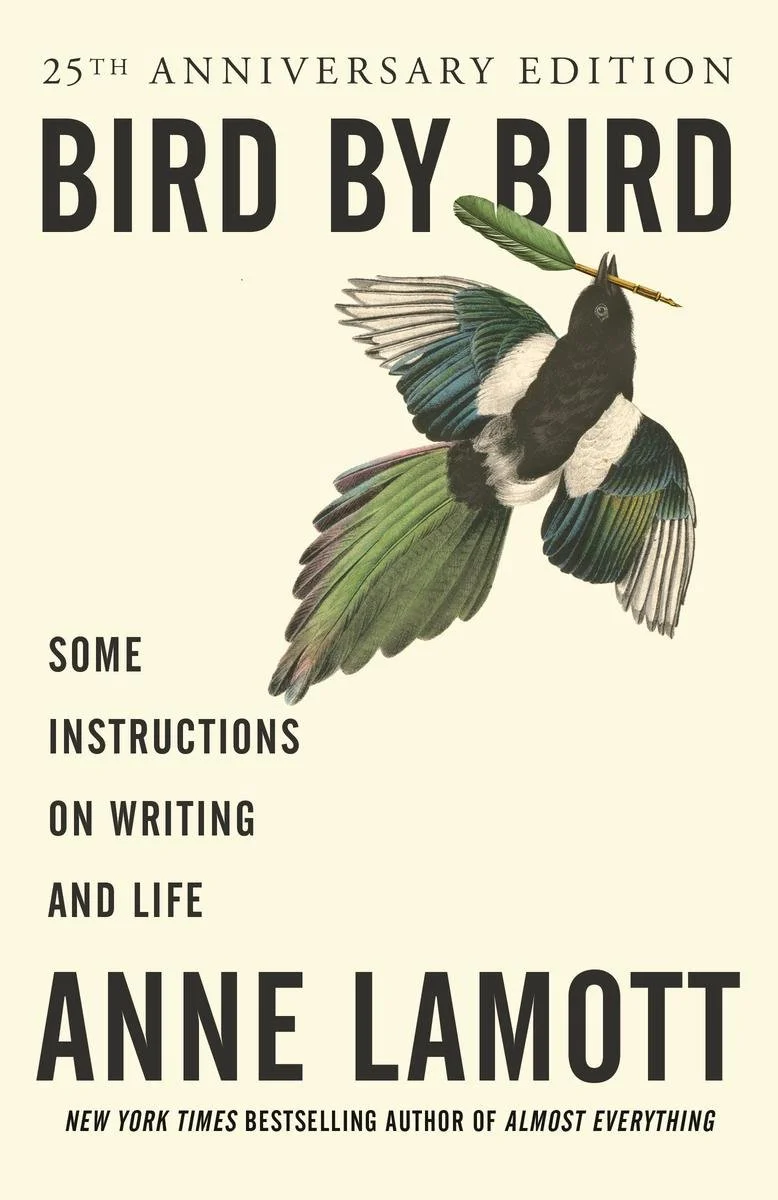
Bird by Bird by Anne Lamott
Bird by Bird approaches writing with humor and candor, particularly when it comes to doubt, perfectionism, and getting started. Where King emphasizes discipline, Lamott offers something just as important: permission to write imperfectly and begin anyway.
If you read these and still feel pulled toward the work, keep going. If not, that may tell you something, too.
2. Story Structure
Next, focus on story structure—the way a story unfolds.
At its simplest, structure is what allows a story to move. It creates momentum, shapes tension, and gives events meaning. When structure is working, the story feels inevitable. When it’s not, even strong writing can stall.
Writers sometimes worry that studying structure will make their work feel formulaic. I’ve found the opposite. Understanding structure doesn’t limit your creativity—it gives you something to work with or even against.
Many great painters began with classical technique before developing their own style. Storytelling works the same way. The structures you’ll find in these books aren’t arbitrary—they reflect patterns that appear again and again across cultures and genres because they resonate with how we experience change, conflict, and resolution.
Learn the structure first. Then adapt it, stretch it, or break it as needed.
And if you ever find yourself stuck, come back to it. Often, what isn’t working in a story is simply something missing in the underlying structure.
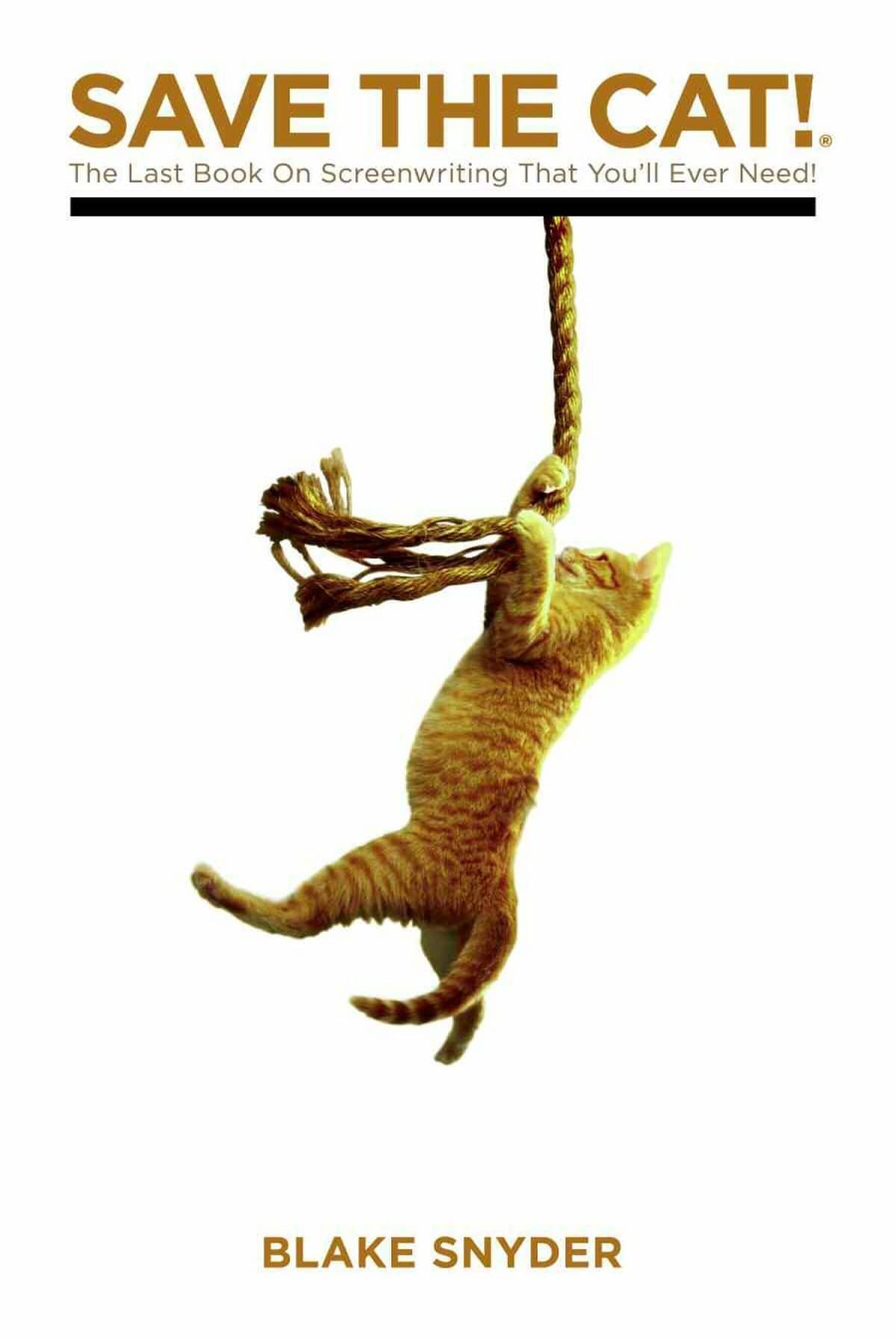
Save the Cat! by Blake Snyder
This is the clearest, most practical breakdown of story structure I’ve encountered. It offers a working blueprint for building the bones of your story—something you can apply immediately.
Yes, it’s a screenwriting book, and there’s an adaptation for novelists, but I’d start with the original.
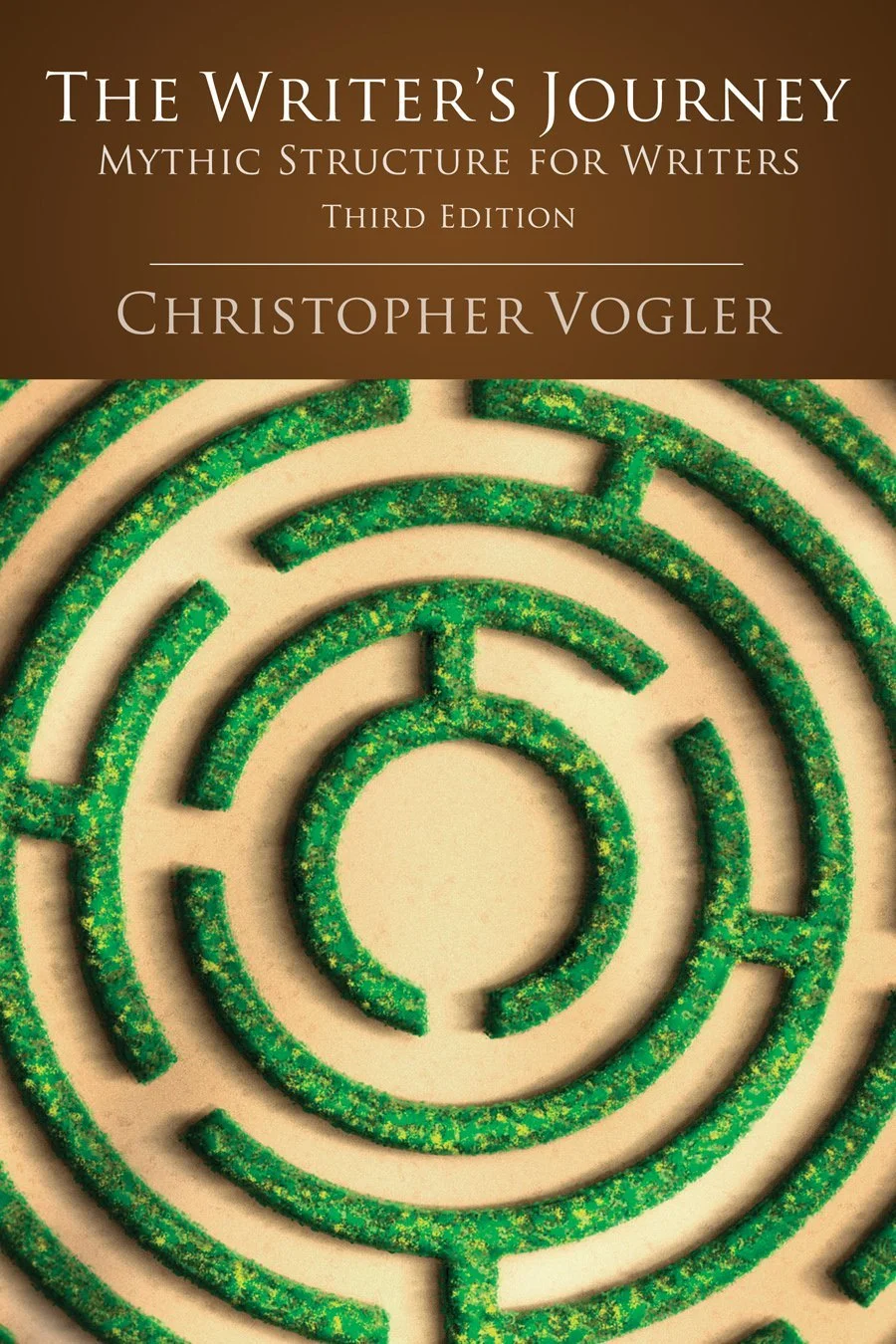
The Writer’s Journey by Christopher Vogler
This book goes deeper, exploring the universal patterns that shape story across cultures. Vogler builds on Joseph Campbell’s work on the Hero’s Journey, translating it into a practical framework for writers.
These two books teach both how and why stories work.
After reading them, you may feel like you have everything you need to start writing—and in a sense, you do. But if you stop here, your stories may feel structurally sound but emotionally thin.
That’s what we’ll focus on next.
3. Theme and Character
Many writers can shape a story, but struggle with what it’s ultimately about. When the reader closes your book, you want something to linger.
That something isn’t a message. As Samuel Goldwyn once said, “If you want to send a message, use Western Union.” Fiction that sets out to instruct can quickly feel forced.
But the best stories do explore something deeper: a universal tension, a question, a truth about how people change. You may not know what that is when you begin, but over time, it should come into focus. When it does, the story starts to gain weight and resonance.
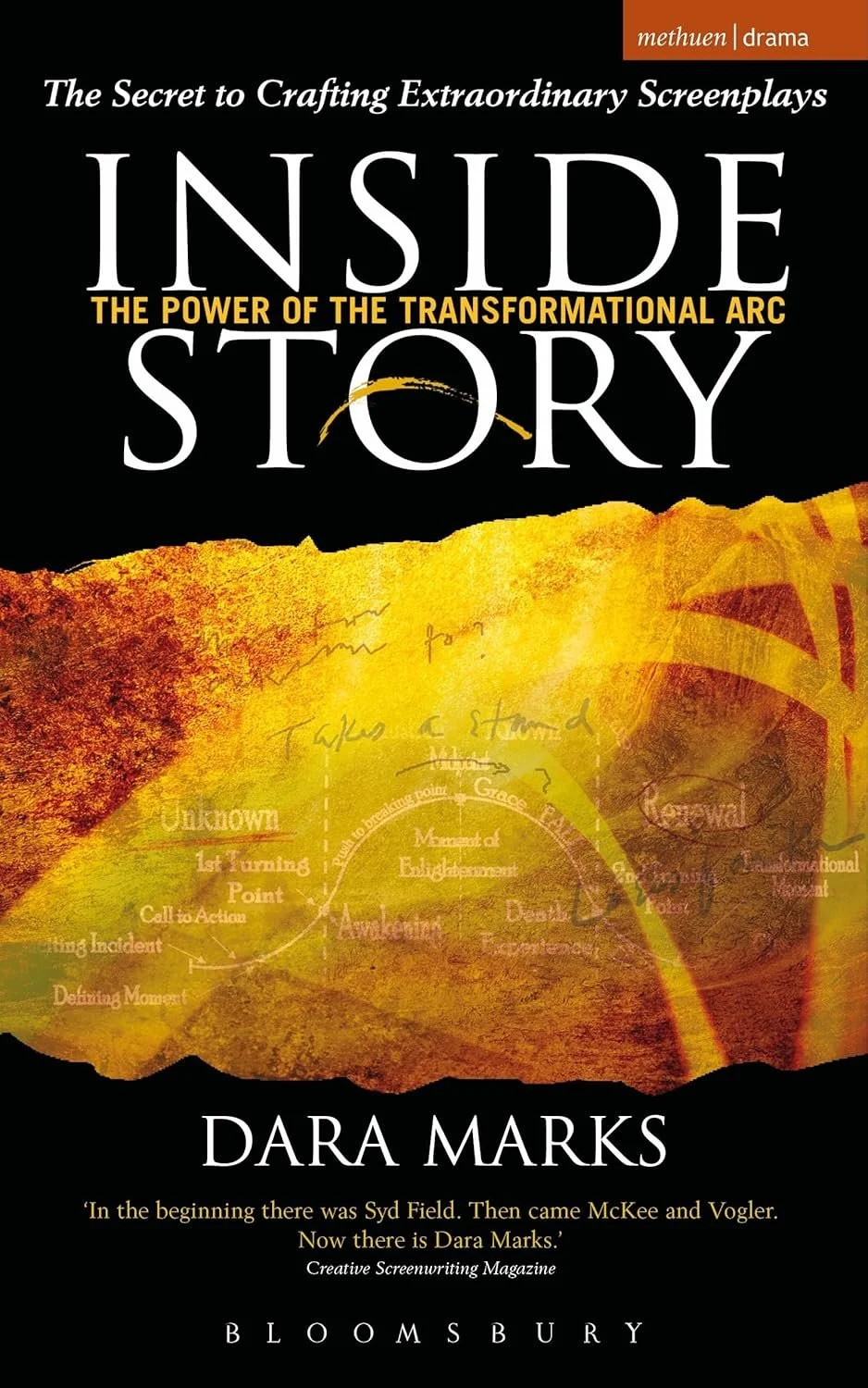
Inside Story by Dara Marks
This is another screenwriting book, but of all the books on this list, this is the one I come back to time and again because it provides a great framework for discovering the internal journey of your characters and how to show that on the page (or screen).
This is how stories become more than just entertaining—they become memorable.
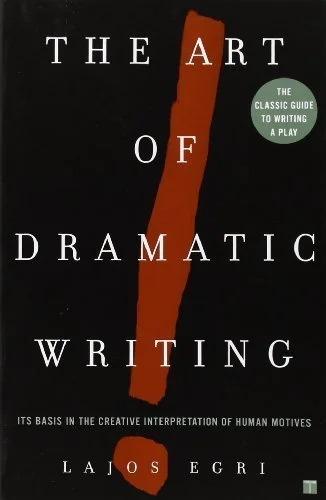
The Art of Dramatic Writing by Lajos Egri
If you read one advanced book on craft, make it this one.
Egri’s central idea—character drives plot—is foundational to great storytelling. When characters have clear beliefs, desires, and contradictions, the story begins to unfold naturally rather than feeling forced.
This is the shift from constructing a story to letting it emerge.
4. Scenes, Relationships, and Voice
Once you understand structure, theme, and character, the next challenge is execution on the page: scenes, relationships, dialogue, interiority, and voice.
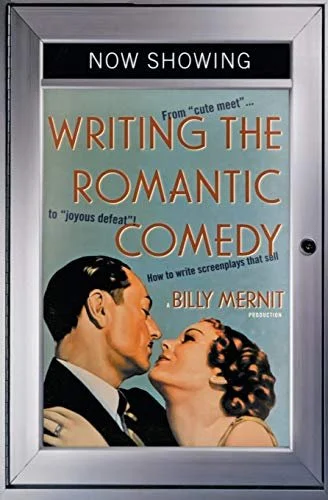
Writing the Romantic Comedy by Billy Mernit
Even if you’re not writing romantic comedy, this book is invaluable. It explores how relationships function within a story, including character chemistry, dual protagonists, natural dialogue, and humor.
Most stories are built on relationships. This book shows how to make them dynamic.
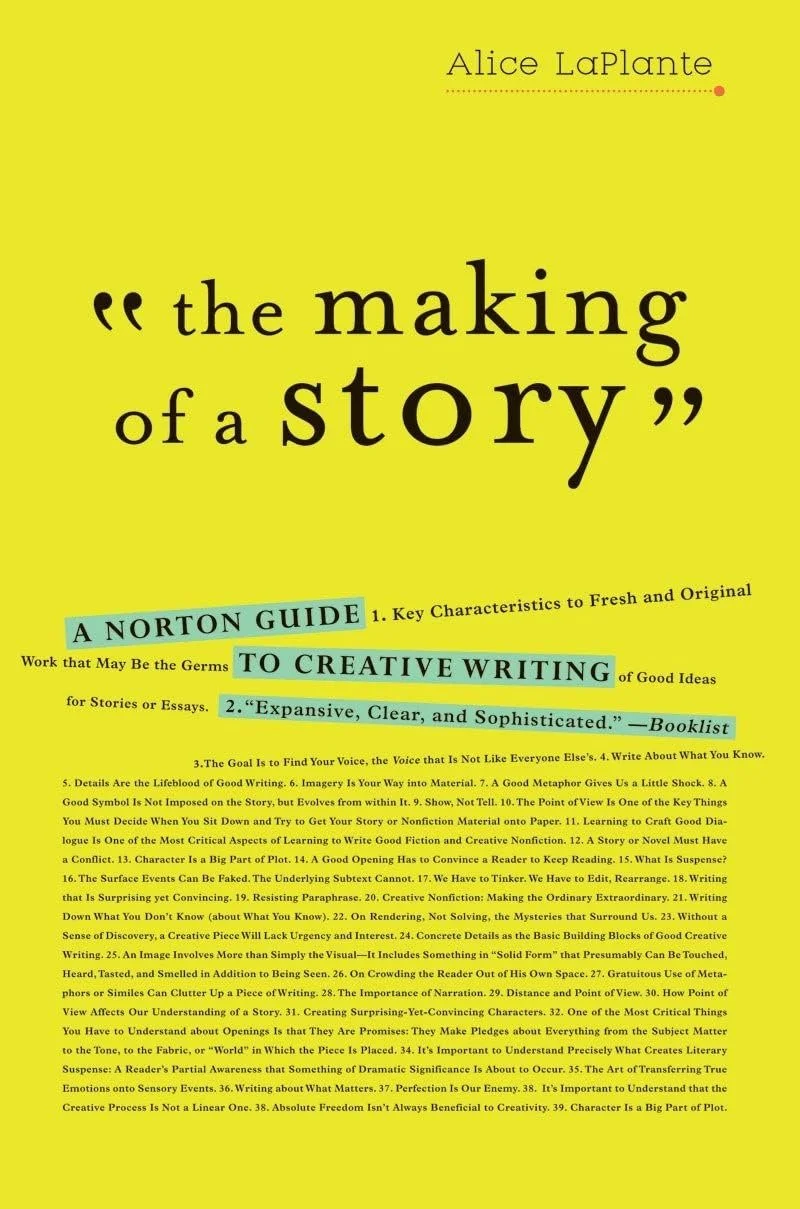
The Making of a Story by Alice LaPlante
This is one of the most comprehensive books on craft, covering aspects of novel writing that you won’t find in a screenwriting book, including point of view, narrator reliability, and voice.
It’s not a book you need to read straight through. Instead, think of it as a reference—something to return to as different challenges arise in your writing.
This is where storytelling becomes novel writing.
5. Editing and Style
At this stage, the work becomes refinement—clarity, precision, and control. This is where you develop your voice and learn to revise your work effectively.
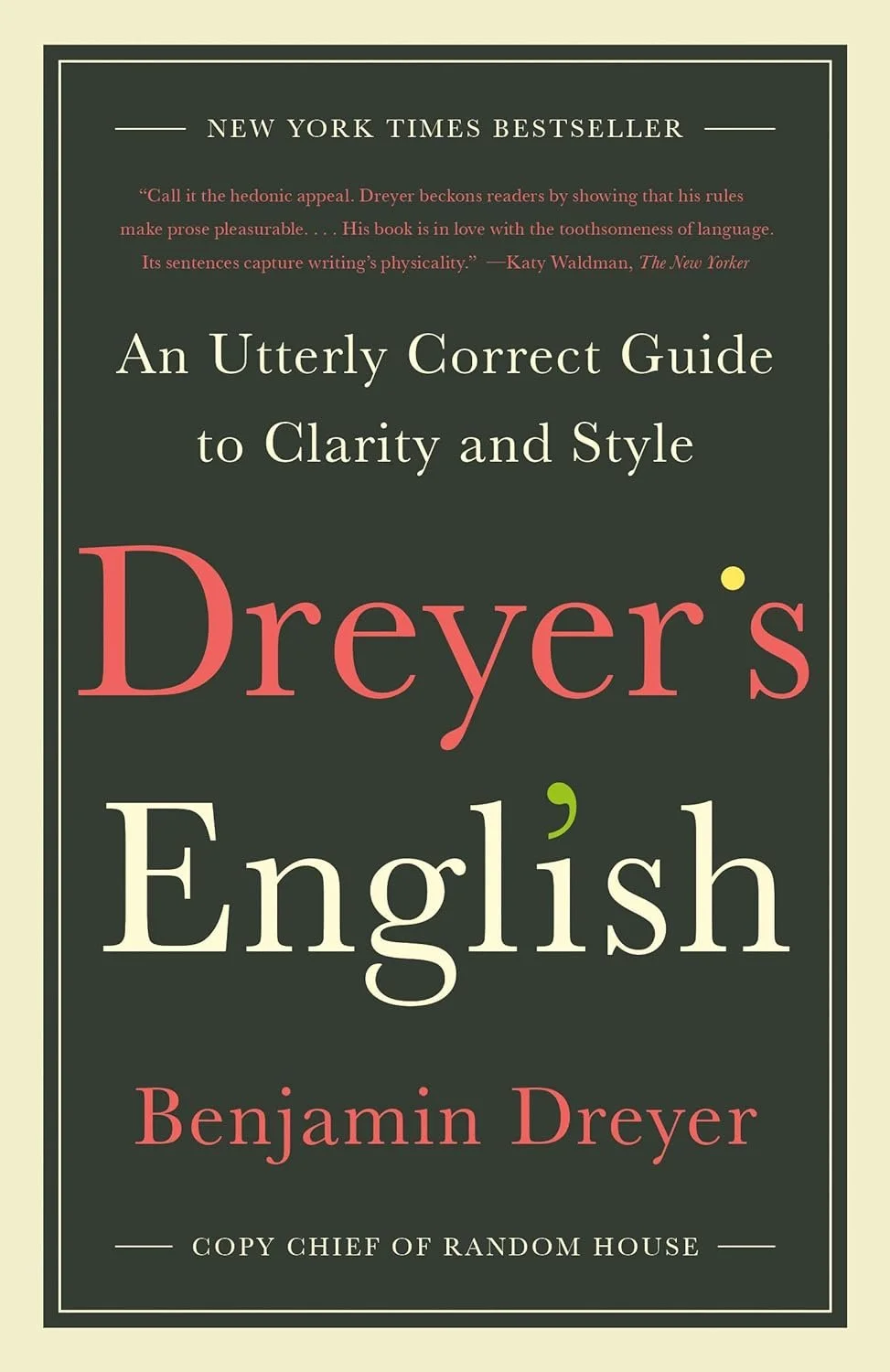
Dreyer’s English by Benjamin Dreyer
This book makes grammar practical and even enjoyable. It’s one of the most useful guides to writing clearly and precisely.
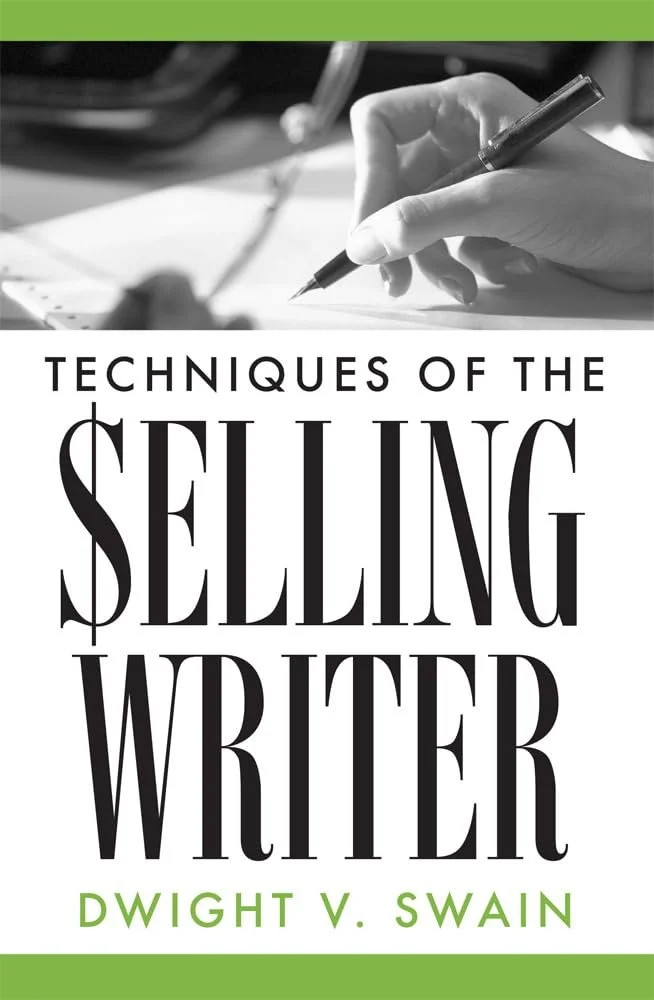
Techniques of the Selling Writer by Dwight V. Swain
This incredibly practical book offers unique, actionable insights into storytelling and is criminally under-read.
These ten books have most shaped how I think about story. There are, of course, other excellent books on craft—Self-Editing for Fiction Writers is one I’d also recommend—but these are the ones I return to most often, and the path I’d follow if I were starting today.